
Over the past several months, I have had the opportunity to travel nearly 30,000 miles across North America, Europe, Asia, and the Middle East. Along the way, I have met students, educators, clinicians, researchers, credential holders, and professional society leaders who represent every stage of the cardiovascular professional journey.
The destinations were different. The languages were different. The cultures and healthcare systems were different.
The people were not.
Wherever I traveled, I encountered the same qualities that define the cardiovascular profession at its best: curiosity, compassion, humility, professionalism, and an unwavering commitment to improving the lives of patients.
These experiences reinforced a belief that has only grown stronger with each conversation. Cardiovascular science is no longer a profession defined by geography. It is a global community united by a shared mission.
For much of modern healthcare, innovation was often viewed through a regional lens. New ideas emerged from one part of the world and gradually spread elsewhere. Today, that model is changing. The exchange of knowledge has become truly global. Great ideas, innovative educational programs, and professional leadership can emerge from any country, any institution, and any individual willing to contribute.
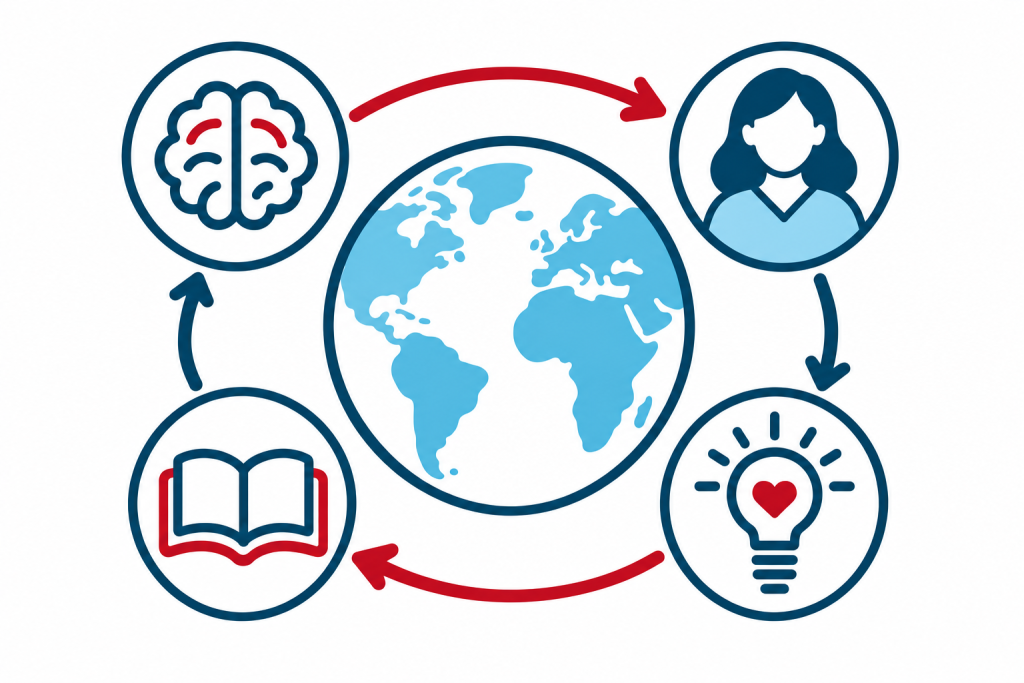
“The exchange of knowledge has become truly global.”
In fact, some of the most exciting developments I have witnessed are occurring far beyond the traditional centers of influence. Throughout Asia and the Middle East, cardiovascular professional societies are creating robust educational programs, cultivating thriving professional communities, and developing scientific sessions specifically designed for cardiovascular professionals. These organizations are not merely participating in the profession’s evolution. In many respects, they are helping lead it.
This should inspire us.
True professionalism requires humility. It requires the willingness to recognize excellence wherever it exists and the courage to learn from one another. The strongest professions are not built by competition alone. They are built through collaboration, shared knowledge, and mutual respect.
“The strongest professions are not built by competition alone. They are built through collaboration, shared knowledge, and mutual respect.”
At the center of this effort is what I often think of as the Professional Triad: educators, professional societies, and credentialing organizations.
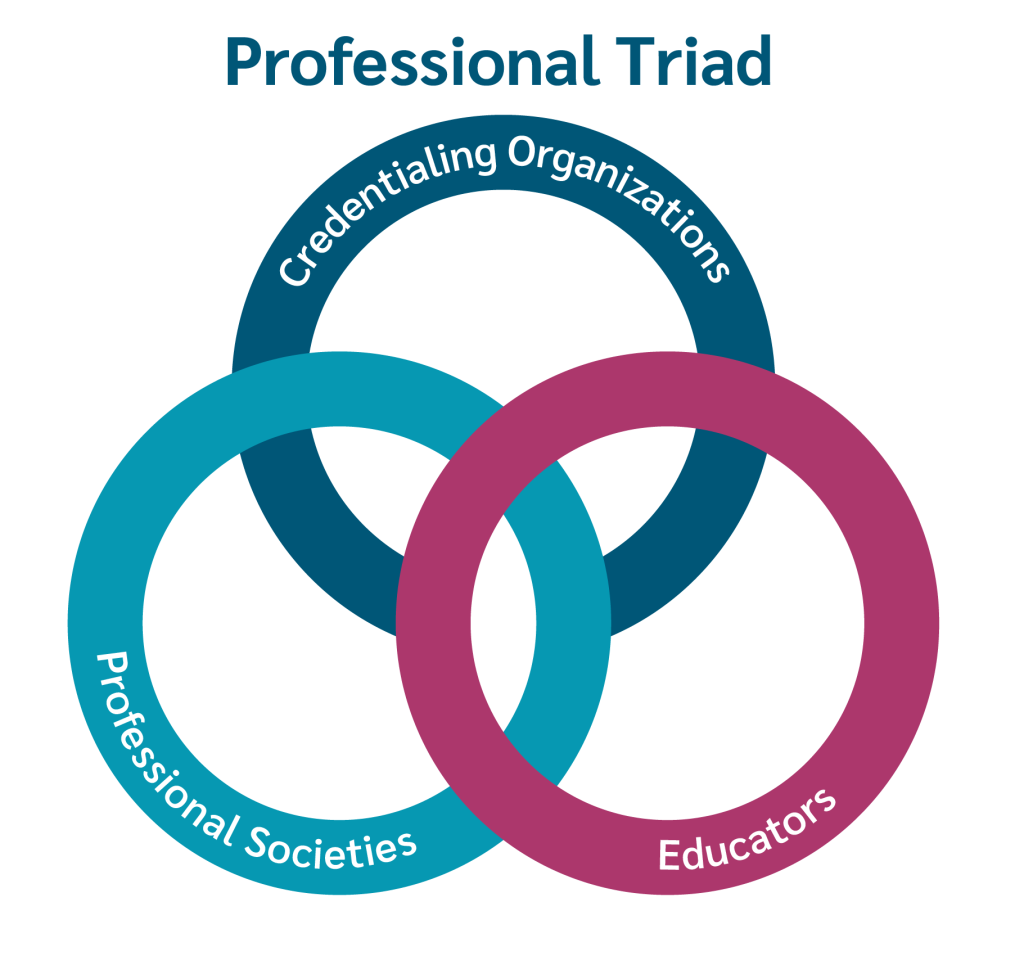
“Each pillar serves a unique and indispensable purpose”
Each pillar serves a unique and indispensable purpose. Educators prepare the next generation of professionals. Professional societies create communities where ideas can be exchanged and innovation can flourish. Credentialing organizations establish standards that validate competence and promote professional excellence. None is more important than another. Their strength comes from working together toward a common goal.
That goal extends beyond individual careers.
It extends to patients, families, and entire communities.
As cardiovascular science continues to evolve, the demands placed upon our workforce will only increase. Procedures are becoming more complex. Technologies are advancing rapidly. Patient populations continue to grow and diversify. Workforce development has emerged as one of the defining challenges of our time.
“As cardiovascular science continues to evolve, the demands placed upon our workforce will only increase.”
Meeting that challenge will require more than technical expertise.
It will require leadership.
It will require mentorship.
It will require investment in education and professional development.
Most importantly, it will require individuals willing to step forward and help shape the future.
Throughout my travels, I have seen countless examples of professionals doing exactly that. Volunteers dedicating their time to professional societies. Educators creating opportunities for students despite limited resources. Mentors sharing their experience with the next generation. Clinicians pursuing excellence not because it is required, but because their patients deserve nothing less.
The seeds of the future are already being planted.
The question is whether we will choose to nurture them.
If there is no professional forum in your community, consider helping create one. If there is a student seeking guidance, offer mentorship. If there is an opportunity to share knowledge, embrace it. Every professional society, every educational program, and every transformative initiative began because someone chose to lead rather than wait.
One lesson has become unmistakably clear after traveling around the world. The future of cardiovascular science does not belong to any single country, institution, or organization.
It belongs to all of us.
The extraordinary people I have met along this journey leave me optimistic about what lies ahead. Their passion, professionalism, and commitment to service remind me that our profession’s greatest strength is not found in technology, facilities, or credentials alone.
It is found in people.
People who remain curious enough to learn, humble enough to teach, courageous enough to lead, and generous enough to serve others.
That is the future of cardiovascular science, and I have never been more excited to be part of it.
– Travis Nay, BS, RCIS, AACC, CCI President